
Zach Facts
A running archive of short, well-sourced pieces on fascinating history, remarkable people, and interesting places.
Where do these stories come from? A lot of them start in the Kentucky Room at the Shelby County Public Library — watch Zach show you around.
Inside the Kentucky Room — Shelby County Public Library
History
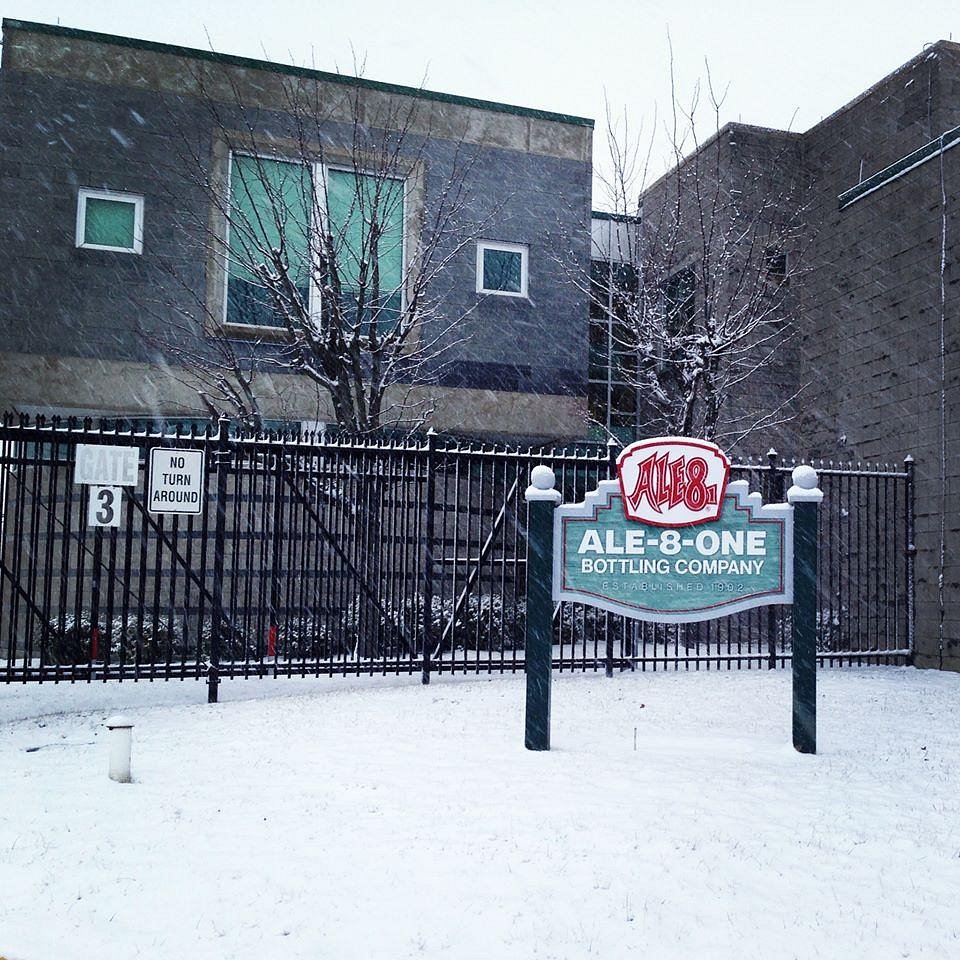
Kentucky's most famous soft drink got its name from a contest. Ale-8-One, the ginger and citrus soda from Winchester, was invented by G.L. Wainscott in 1926. After perfecting the formula he'd discovered on a trip to northern Europe, he needed a catchy name. He held a contest at the Clark County Fair, and a young girl submitted the winning entry: "A Late One," which was 1920s slang for "the latest thing." The name stuck, and the iconic green bottle has been a Kentucky staple ever since. Wainscott was no stranger to the soda business. He started his company in 1902 after becoming fascinated with a carbonation machine. His first big hit was a cola called Roxa-Kola, named after his wife, Roxanne. That success drew a lawsuit from the country's biggest cola company. In a true David vs. Goliath story, Wainscott fought back and won, not only the lawsuit but the appeal as well. That victory gave him the freedom to continue experimenting, which led directly to his signature ginger-based creation. The secret recipe for Ale-8-One is one of Kentucky's most closely guarded treasures. For over a century, it has been passed down through four generations of Wainscott's family. Today, his great-great-nephew, Fielding Rogers, is the one who carries on the tradition. He is the only person who knows the secret formula, and he mixes every single batch by hand in a special, hidden room, following his great-great-uncle's handwritten notes. That personal touch is what makes Ale-8-One so unique. Every bottle of Ale-8 that goes out into the world starts in that secret room, mixed in small batches by a member of the founding family. It's a tradition that has kept the company independent and the flavor consistent for nearly 100 years. From a county fair contest to a statewide icon, Ale-8-One remains a true Kentucky original, bottled with a story in every sip.
Read more →
History
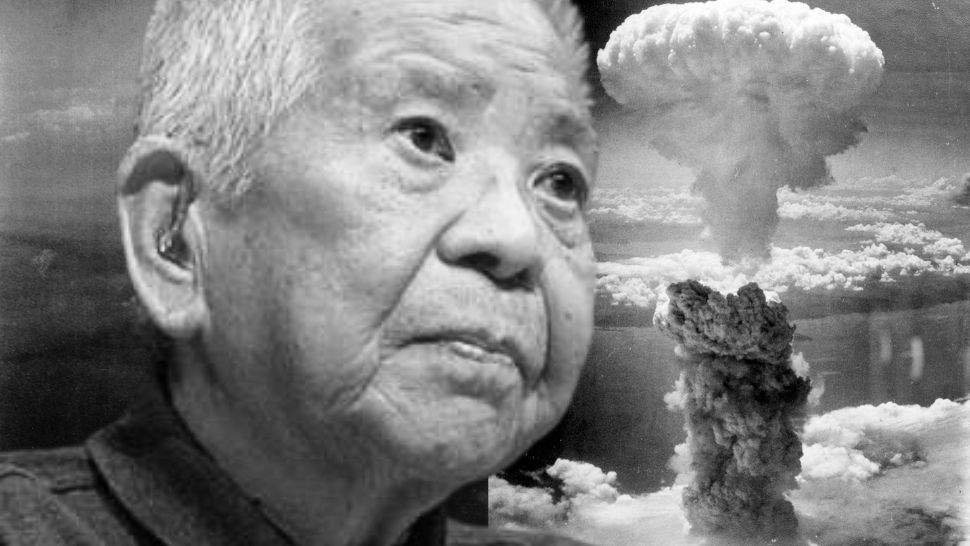
Tsutomu Yamaguchi was 29 years old and on a three-month business trip for Mitsubishi in Hiroshima. August 6, 1945, was supposed to be his last day in the city before returning home to his wife and infant son in Nagasaki. At 8:15 AM, while walking to the shipyard, he saw an American B-29 drop a small object. The sky erupted in a flash of light, and the blast threw him into a potato patch, rupturing his eardrums and severely burning his upper body. After a night in a bomb shelter, Yamaguchi navigated a horrifying landscape of fire and death to reach a still-operating train station. He boarded a train packed with other burned and bewildered survivors for the overnight journey home. He arrived in Nagasaki on August 8, so badly wounded that his own mother thought he was a ghost. Despite his injuries and a raging fever, he reported to his Mitsubishi office on the morning of August 9 to report on the events in Hiroshima. Around 11 AM, Yamaguchi was in a meeting with his director, trying to explain the unbelievable devastation he had witnessed. His boss was skeptical, declaring that a single bomb could not possibly destroy an entire city. As Yamaguchi struggled to make him understand, the room was lit by another blinding white flash. The second atomic bomb had detonated over Nagasaki. "I thought the mushroom cloud had followed me from Hiroshima," he later said. The building's reinforced structure saved him from the immediate blast, and he survived his second nuclear explosion in three days. Despite the double dose of radiation, which he said "seemed to have canceled each other out," Tsutomu Yamaguchi lived a long life. He and his wife, who also suffered from radiation poisoning from the Nagasaki blast, had two more children. He became a vocal opponent of nuclear weapons later in life, speaking at the United Nations and with international visitors. He died of stomach cancer in 2010 at the age of 93. He is the only person officially recognized by the government of Japan as having survived both atomic bombings—a man who stood in the heart of two nuclear infernos and walked out twice.
Read more →
People
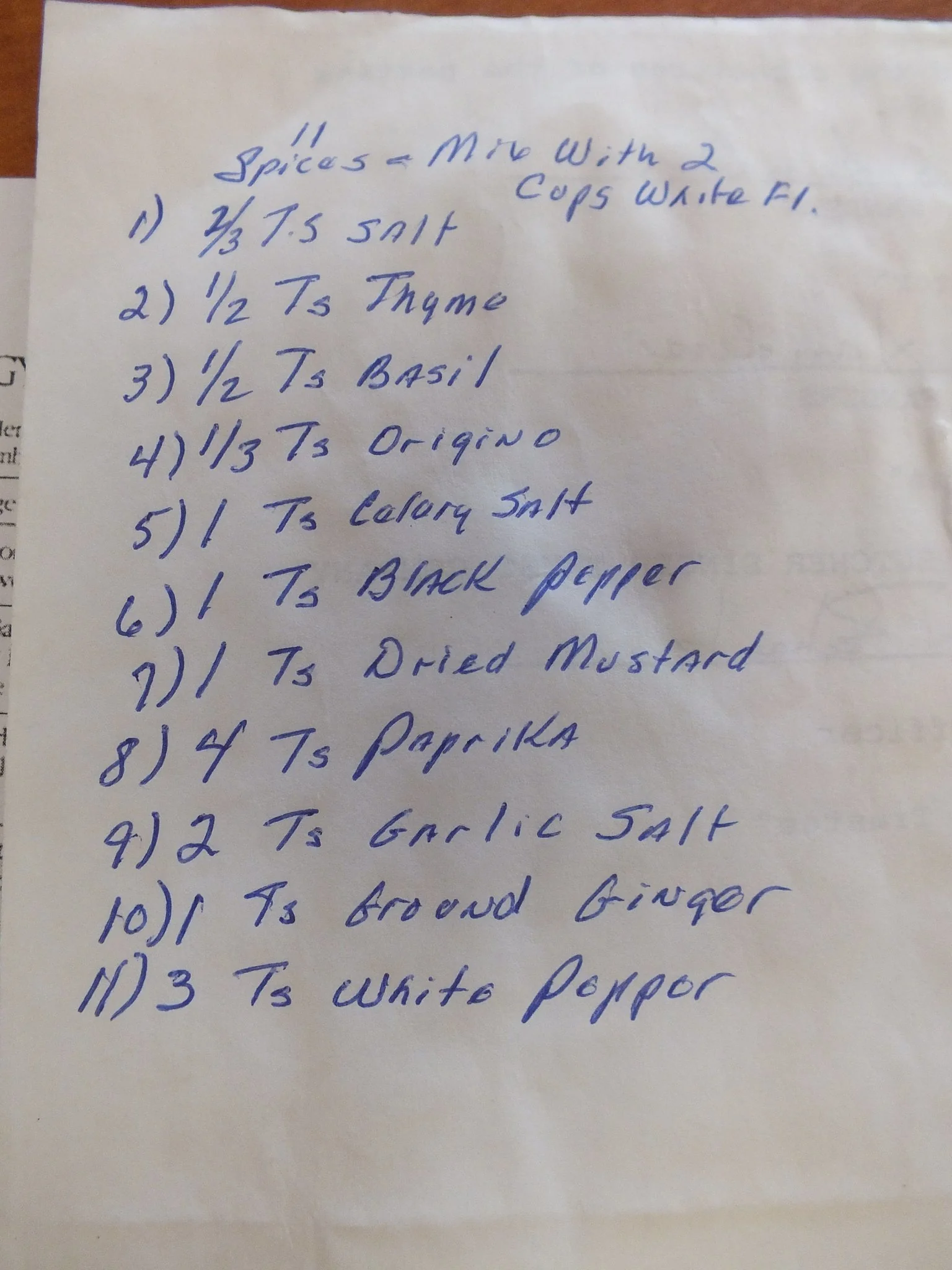
Colonel Harland Sanders is linked forever to Shelbyville, Kentucky. After the interstate plan crushed traffic to his Corbin cafe in the mid 1950s, he shifted his base. By 1956 he had moved his company headquarters to Shelbyville to better reach franchisees with spices, pressure cookers, and cartons. In 1959 he and his wife Claudia settled into Blackwood Hall on U S 60, using it as home and office while he worked the road to promote Kentucky Fried Chicken. From Shelbyville he became the face of the brand. News profiles and biographies describe an older Sanders who crisscrossed the country to open stores, film ads, and lecture franchise cooks. That public push grew the chain far beyond Kentucky. The town also became part of the story of Claudia herself. In 1968 the couple opened a separate restaurant there called The Colonel's Lady, later known as the Claudia Sanders Dinner House. It served family meals and southern sides. It was not a KFC, but it kept the Sanders name active in Shelby County. Local talk is mixed about the man. Many remember a generous figure who posed for photos and cut ribbons. Others recall a sharp tongue and a quick temper. That part is not rumor. In 1975 he blasted the company's gravy in a Louisville paper as wallpaper paste and criticized a newer chicken coating. He had already sold the corporation in 1964, but he never stopped speaking his mind about quality. Shelbyville also gets pulled into the long running fascination with the secret recipe. In 2016 a Chicago newspaper printed a handwritten list of 11 herbs and spices from a family scrapbook shown by a nephew. KFC did not confirm that it was the real thing. The dinner house and Blackwood Hall keep the memory alive either way. When Sanders died in 1980, he was buried in Louisville at Cave Hill Cemetery, a short drive from the Shelby County places where he built his final chapter.
Read more →

People
Launched in 1990, the Hubble Space Telescope orbits the Earth about 340 miles up, circling the globe every 95 minutes at 17,000 miles per hour. Because it's outside our atmosphere, it gives us super clear images of deep space things like distant galaxies, black holes, and stars being born. It's been sending back mind-blowing photos for over 30 years and completely changed how we understand the universe. The telescope is named after Edwin Hubble, one of the most important astronomers in history. In the 1920s, he proved that those fuzzy blobs in the night sky were actually other galaxies, way beyond the Milky Way. Then he discovered that the universe is expanding, which laid the groundwork for the our understanding of the space. Basically, he took our view of the universe and cracked it wide open. But here's the part most people don't know, before all that, Edwin Hubble lived right here in Shelbyville, Kentucky. From 1909 to 1911, his family lived on Bland Avenue. This was before he became a big name in science, but it's kind of wild to think that one of the greatest minds in space science once walked the same streets we do today. So next time you're looking up at the stars, just remember, the guy the Hubble Telescope was named after might've done the same thing right here in Shelbyville, long before he changed the way we see the universe.
Read more →
History
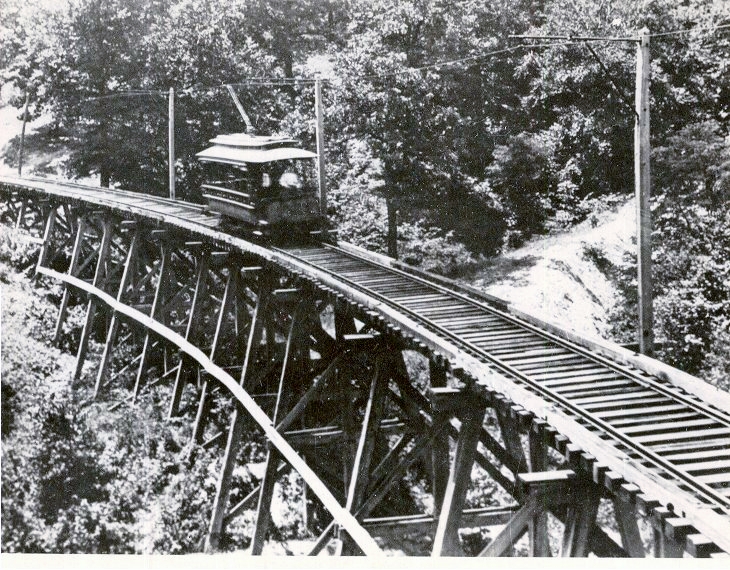
Before highways and SUVs, Shelbyville residents had a surprisingly modern way to get to Louisville: the electric interurban railway. Starting around 1910, this trolley-style train connected Shelbyville, Simpsonville, Middletown, and Louisville, running on electricity from overhead wires. It was part of a much larger regional transit system that gave small-town Kentuckians a reliable, fast, and affordable way to travel into the city long before the automobile took over. By 1912, the line reached all the way into downtown Shelbyville, making it easier than ever for locals to commute to work, shop on Louisville's 4th Street, or ship milk and produce to market. With multiple departures each day, you could hop on in Shelbyville, ride through the rolling countryside, and arrive in downtown Louisville in under an hour. Compared to the dusty, wagon-rutted roads of the time, the interurban was smooth, quiet, and comfortable—especially in winter when the cars were heated. Each stop along the way—Simpsonville, Middletown, and others—had small depots or waiting shelters. For many, the interurban was part of daily life. Farmers used it to ship goods, students rode it to school, and families took it for weekend outings. It wasn't just about getting from point A to B—it was a social space, a mobile connection between towns that helped shape the growth of Shelby County and its neighbors. But by the late 1920s, cars were everywhere and newly paved roads made driving more convenient. As ridership declined, the Shelbyville interurban made its final run in 1934. The tracks were pulled up soon after, and the electric lines were dismantled. Today, there are few physical reminders of the line, like the Scotts station substation that still stands but for over two decades, that electric railway made it possible for everyday folks to travel from small-town Kentucky to the big city with ease—no gas tank, no highway, and no stress required.
Read more →
History
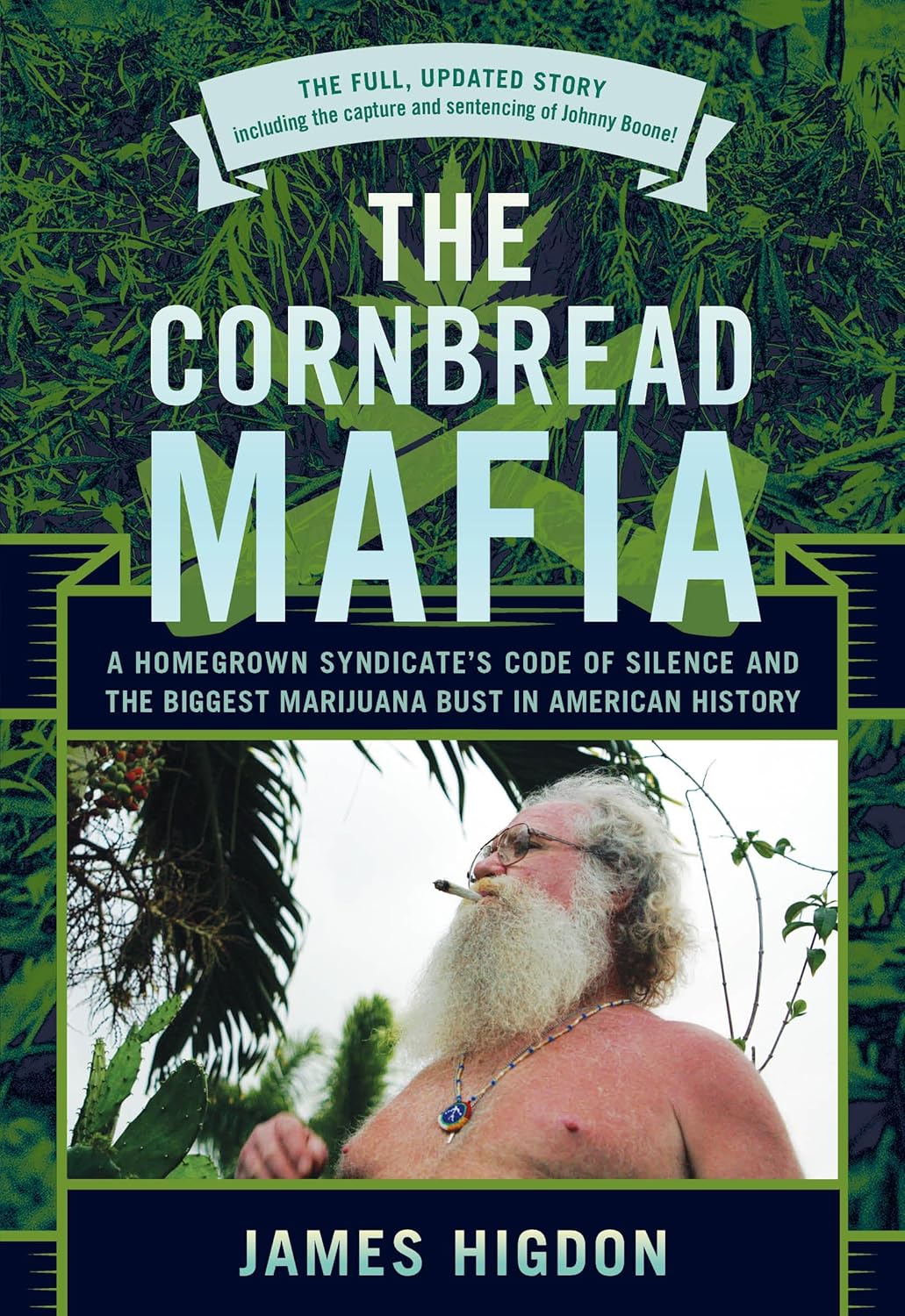
In the 1970s and 1980s, a group of men from Marion County, Kentucky, built one of the largest domestic marijuana operations in U.S. history. They were not hardened criminals or cartel members. Most were farmers, small-town guys, and University of Kentucky basketball fans. They called themselves the Cornbread Mafia, a name that stuck after a 1989 arrest in Minnesota, where local police mocked their rural Kentucky roots. The operation started small. A few friends began growing marijuana in cornfields and wooded plots around Lebanon, Raywick, and Loretto. The land was cheap, the climate was right, and law enforcement was thin. By the mid-1980s, they were moving thousands of pounds across state lines. They used trucks, campers, and even a small plane. The money was staggering. One member, Johnny Boone, later admitted to making millions. But the Cornbread Mafia was not flashy. They did not drive Ferraris or live in mansions. Most stayed in Kentucky, bought land, and kept quiet. That low profile helped them avoid attention for years. Federal agents eventually caught on after a tip led to a major bust in Minnesota in 1987. Investigators found 20 tons of marijuana hidden in a farm silo. The trail led back to Marion County. By the early 1990s, dozens of members had been arrested. Johnny Boone became one of the most wanted fugitives in America. He was captured in 2008 in Canada after nearly two decades on the run. He is now serving a long sentence in federal prison. The story has been covered in books, documentaries, and podcasts. It remains one of the most unusual chapters in Kentucky crime history, a tale of small-town farmers who became big-time outlaws.
Read more →
People
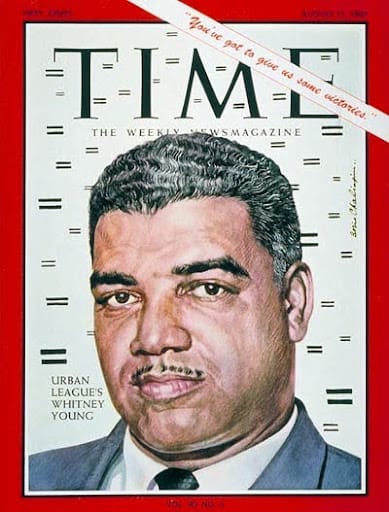
Whitney Moore Young Jr was born on the campus of the Lincoln Institute in Lincoln Ridge in Shelby County in nineteen twenty one. The campus sat just outside Simpsonville on farmland that had been turned into a boarding school for Black students after Kentucky forced Berea College to stop teaching Black and white students together. His father Whitney Young Senior taught at the school and eventually became its first Black president. His mother Laura Ray Young also taught there and later became the first Black woman postmaster in Kentucky. So from day one Whitney Jr’s world was school bells lesson plans and constant reminders that education was the way out and the way up. (nkaa.uky.edu) Lincoln Institute was not some small country school. It opened in nineteen twelve with about eighty five students and grew into a serious college prep high school for Black teenagers from all over Kentucky and even from places like Honduras and Cuba. The white founders wanted it to focus on training workers in trades and house service. Under leaders like Doctor A Eugene Thomson and especially under Whitney Young Senior it quietly became something more. Students got solid academics plus vocational skills and strong expectations. Young Senior pushed his students to become professionals teachers and leaders. That was the air Whitney Jr breathed growing up. He later said that he never questioned whether he was supposed to achieve because excellence was the norm in his house. (nkaa.uky.edu) Whitney Jr attended the primary school at Lincoln Institute then enrolled in the high school there. He walked the same paths every day from his family home on campus to the classroom buildings and workshops. In nineteen thirty seven he graduated as valedictorian of his class. That early success at a Black boarding school in Shelby County gave him the confidence to leave home and keep going. From Lincoln he headed to Kentucky State College in Frankfort which is now Kentucky State University. There he earned a degree in social work became president of his senior class and joined Alpha Phi Alpha fraternity. (kysu.edu) World War Two pushed his life in a new direction. Young joined the Army in nineteen forty one and was assigned to an African American engineering unit under white southern officers. Tension in the unit was high. Young had a knack for reading people and calming situations. Within weeks he was promoted from private to first sergeant because he was the one man who could talk both groups down and keep the work moving. That experience convinced him where his real calling was. Instead of medicine or engineering he wanted to work in race relations and help Black people navigate and change the institutions that shaped their lives. (Wikipedia) After the war he earned a masters degree in social work from the University of Minnesota and found his way into the National Urban League. First he worked at the Saint Paul office then he took over the Omaha branch. In both cities he focused on something simple but powerful getting Black workers hired into jobs that had always been reserved for white workers. He would walk into boardrooms with data and a calm voice and make the case that hiring Black salespeople and managers was simply good business. That mix of moral push and practical argument became his trademark. (Biography) In nineteen sixty one at only forty years old Whitney Young Jr was chosen to lead the National Urban League. When he arrived the League was relatively small and cautious. In only a few years he multiplied the staff many times over and expanded the budget from a few hundred thousand dollars to many millions. Under his leadership the League went from quiet job placement work to aggressive advocacy for equal opportunity in housing education and employment. Young described the League as the social engineers of the civil rights movement. While others marched in the streets he spent his time in boardrooms and government offices trying to turn protest energy into actual policy and hiring decisions. (Wikipedia) He was one of the big six civil rights leaders who helped plan the March on Washington in nineteen sixty three. He stood alongside Martin Luther King Junior John Lewis Roy Wilkins and others as hundreds of thousands gathered in the capital. Behind the scenes he was also building relationships with Presidents John Kennedy Lyndon Johnson and later Richard Nixon. Johnson especially leaned on Young for advice as he shaped Great Society and War on Poverty programs. Young pushed a plan he called a domestic Marshall Plan a large scale investment in jobs housing and education in poor Black neighborhoods. Pieces of that vision made their way into federal legislation. In nineteen sixty nine President Johnson awarded him the Presidential Medal of Freedom for his work. (Wikipedia) Whitney Young Jr was not loved by everyone. Some younger and more militant activists viewed him as too close to the establishment. He took heat for working with corporations and for supporting the Vietnam policy longer than some of his peers. But even his critics often admitted that he got results. Under his watch thousands of Black workers were hired into factories offices and professional roles that had been closed to them. He launched programs like Street Academies to help young people who had dropped out of school and New Thrust which helped local Black leaders set priorities and push city governments for change. (Wikipedia) Through all of this his roots at Lincoln Institute in Shelby County never stopped mattering. The same campus where he had been born in that simple two story wood frame house would eventually carry his name. After Lincoln Institute closed in the nineteen sixties the site became the Whitney M Young Job Corps Center a federal training center for young people. The house he grew up in is now preserved as the Whitney Young birthplace and museum. When visitors walk that ground they see how a boy from a Black boarding school in rural Kentucky grew up to advise presidents and reshape national civil rights strategy. (National Park Service) Whitney Young Jr died suddenly in nineteen seventy one while attending a conference in Nigeria. He was only forty nine. His death cut short a career that still had plenty of runway left. Even so his imprint is everywhere. Urban League branches across the country still carry forward his focus on jobs and economic power. The American Institute of Architects gives a yearly Whitney Young award to honor architects who advance social justice in design. Schools scholarships and job programs in his name keep opening doors for new generations. And in Shelby County the old Lincoln Institute grounds quietly tell the story of a local kid who learned to lead there and then carried those lessons all the way to Washington. (Lincoln Foundation)
Read more →
History
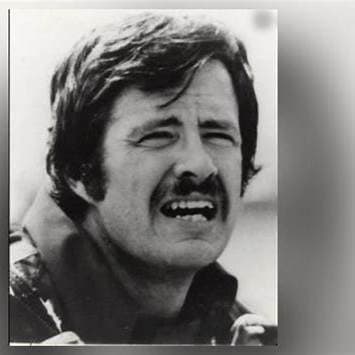
On September eleven nineteen eighty five a man crashed into a Knoxville back yard. He wore a bulletproof vest night vision goggles and Italian loafers. His name was Andrew Drew Thornton II and his fall ended the crime story known as the Bluegrass Conspiracy. Thornton was born into a well known horse farm family in Lexington. He served as an Army paratrooper earned a Purple Heart and then joined the Lexington police force as a narcotics officer. The thrill of fast money pulled him away from the law. By the middle of the nineteen seventies he was flying small planes to Latin America and back bringing in marijuana and later cocaine. He partnered with Bradley Bryant and Henry Vance. Bryant handled money and contacts. Vance became an aide to the Kentucky governor and supplied political cover. Their group called The Company used legitimate fronts and friendly insiders to stay ahead of investigators while they moved drugs and stolen weapons. Thornton was the chief pilot. He often lifted off from Blue Grass Airport in Lexington or Standiford Field in Louisville and sometimes touched down at the Frankfort airport between runs. Many flights crossed the quiet farmland of Shelby County before sliding into the night sky. From these public fields he could unload cargo quickly and vanish before sunrise. Pressure grew when federal agents linked The Company to larger cartels. Some members were arrested. Vance was later convicted in a plot to silence a federal prosecutor. Thornton kept flying. On his last run he left Colombia in a twin engine Cessna Titan loaded with cocaine valued at millions of dollars. Near the Georgia Tennessee line he heard radio talk that agents were tracking the flight. He set the plane on autopilot tossed duffel bags of cocaine out the door and jumped with one bag still tied to his body. The extra weight likely tangled his chute. He died on impact in Knoxville. The pilotless plane later crashed in North Carolina. Days later a black bear in Georgia was found dead beside torn packages of cocaine that Thornton had dropped. The animal was stuffed and today stands in a Lexington shop nicknamed the Cocaine Bear. The Bluegrass Conspiracy reminds us that even places known for horse farms and rolling hills can hide shadows of greed and risk. When you hear a small plane over Shelby County think of Drew Thornton and a time when quiet Kentucky skies carried a secret trade far above the bluegrass.
Read more →
History
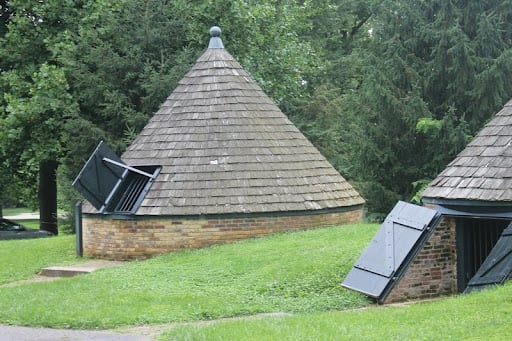
The crack of a saw blade across ice once marked the start of winter work in Kentucky. Farmers waited for ponds to freeze deep enough to walk on, then cut neat rectangles of ice that would carry families through months of heat. Before electric refrigerators, Kentuckians depended on frozen ponds as their refrigerators. Workers slid heavy blocks onto sleds, dragged them from the water, and packed them into storage. Ice was a luxury in July but a necessity too—without it, milk spoiled and meat could not be kept. Across the state, landowners built ice houses. These were thick walled, earth sheltered, or stone lined buildings, often hidden in groves or near creeks. One striking example still stands at Undulata Farm in Shelbyville—a round brick ice house with a cone shaped roof. Nearby, a pond provided the winter harvest. Together, the pond and the ice house formed a system designed to stretch one season’s cold across an entire year. Inside these houses, blocks of ice were stacked and covered with sawdust or straw. A well packed ice house could keep its cargo frozen into late summer, sometimes even into the next fall. Every cube of ice represented hard winter labor, guarded through the heat like treasure. When you walk by a quiet farm pond in Kentucky today, it may look like simple scenery. But a century ago that frozen water was survival, a hidden economy of cold that linked January frost to August supper tables.
Read more →
History
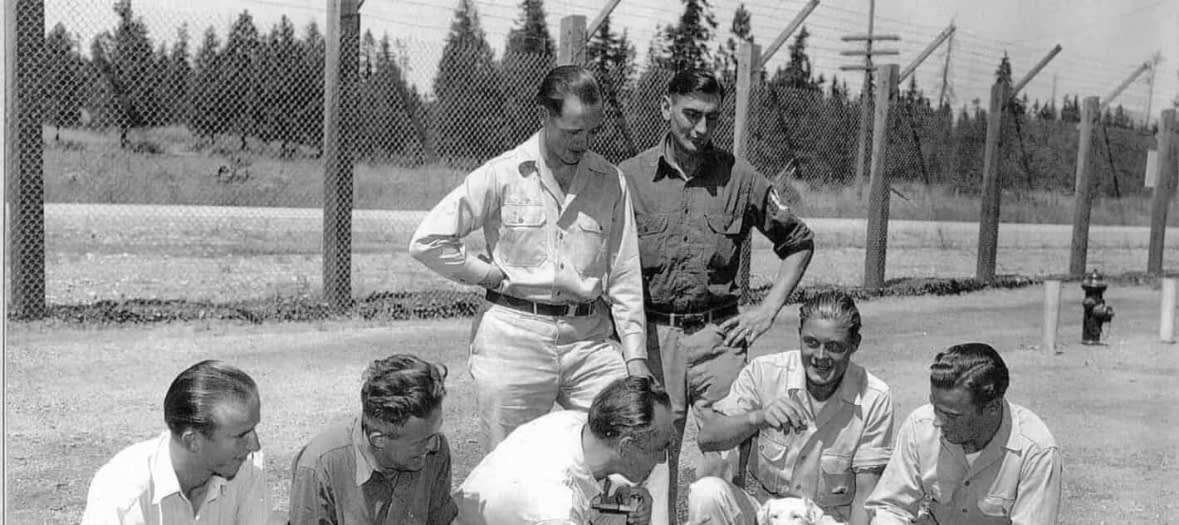
During World War II, thousands of German and Italian prisoners of war were held right here in Kentucky. While many people know about the big military bases like Fort Knox and Camp Campbell, what often gets overlooked are the smaller branch camps scattered across the state. These included places like Eminence, Frankfort, Lexington, and even right here in Shelbyville. Starting in 1943 and ramping up through 1944, the United States faced a serious labor shortage on farms and in factories. The War Department put POWs to work to fill that gap, and by 1944 they were sending prisoners out to local farms nearly every day. Shelby County had its own POW camp operating from 1944 to 1945. It was a branch of Fort Knox and was located across from where Shelby County High School stands today. About 300 prisoners, mostly young German soldiers captured in North Africa, were held there. Every morning, under armed guard, groups of POWs were marched out to farms across Shelby and Henry counties. They helped plow fields, harvest hay, and hang tobacco. Local farmers credited these prisoners with saving the 1944 tobacco crop during a time when most working age men were overseas fighting in the war. Another group of POWs was housed at the Henry County fairgrounds in Eminence and worked alongside the Shelbyville group. Despite being surrounded by fences and guards, the conditions for the prisoners were considered fair. The United States followed the Geneva Convention and often went beyond it. The prisoners lived in barracks, ate well, and earned small wages in camp coupons. Some even gained weight thanks to regular meals, which introduced many of them to American staples like peanut butter. In their free time, they played soccer, boxed, gardened, and even put on plays. Holidays were surprisingly generous too, with big Thanksgiving and Christmas meals served in camp. This treatment was partly strategic. When POWs wrote home about good food and decent conditions, it helped encourage enemy troops to surrender rather than keep fighting. At first, Shelby County locals were uneasy about having enemy soldiers so close. But the camp ran without major incident, and escape attempts were few and unsuccessful. Over time, many people grew to see the POWs as just young men caught up in the war. Some farmers shared food or cigarettes with them. A few even kept in touch by mail after the war ended. Stories from nearby counties, like one in Trigg County where POWs were invited to Christmas dinner, show how surprising connections formed between Kentuckians and their former enemies. By the end of the war, Kentucky had hosted about 15 camps that held German and Italian prisoners. No Japanese POWs were kept in the state. In addition to farm work, some prisoners were assigned to hospitals and local industries. While Spencer County did not have its own camp, it is likely that prisoners from Shelby or Henry counties worked there when needed. By late 1945, the camps were closed and the prisoners were sent home. But for a brief time, Shelbyville had barbed wire fences, armed watchtowers, and German soldiers marching down its roads. It is a remarkable and often forgotten chapter of our local history.
Read more →