
History
Zach Fact: WWII POWs in Shelby County Kentucky
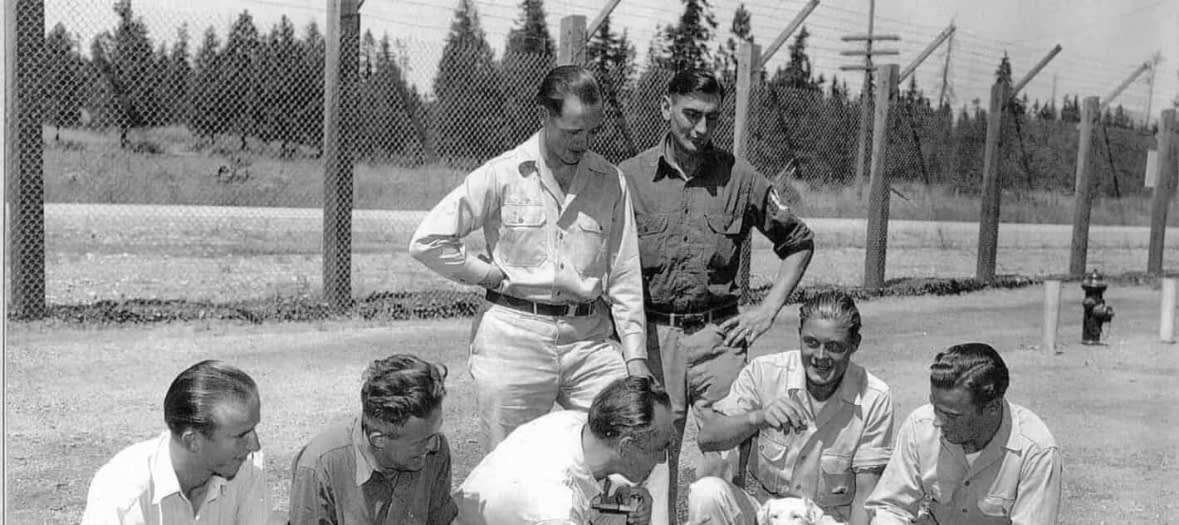
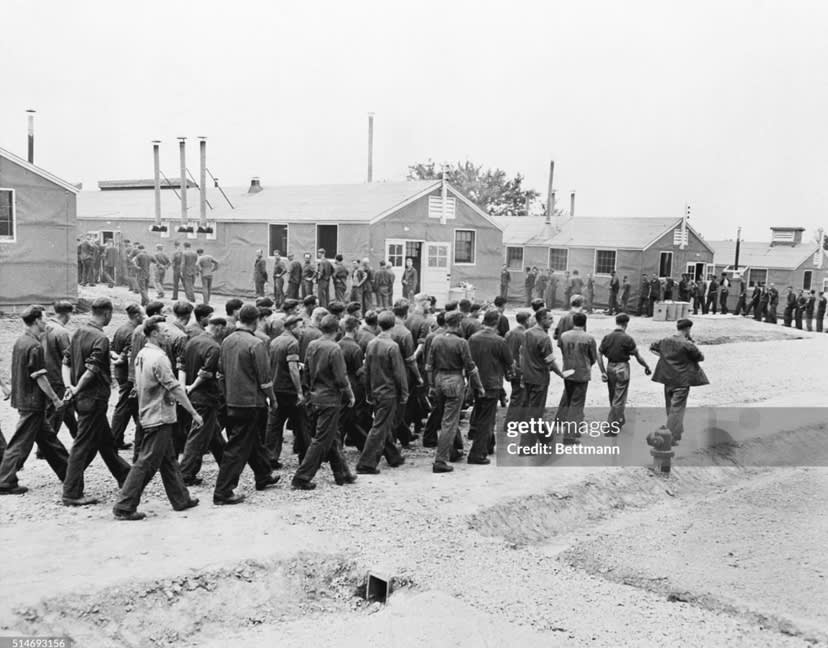
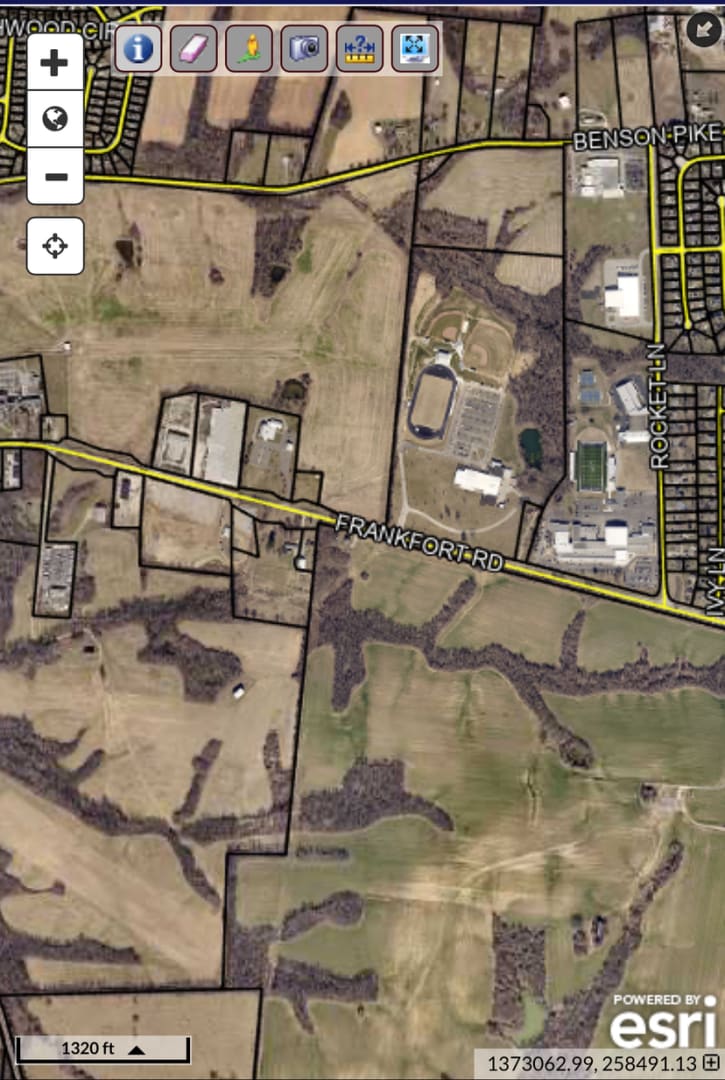
During World War II, thousands of German and Italian prisoners of war were held right here in Kentucky. While many people know about the big military bases like Fort Knox and Camp Campbell, what often gets overlooked are the smaller branch camps scattered across the state. These included places like Eminence, Frankfort, Lexington, and even right here in Shelbyville. Starting in 1943 and ramping up through 1944, the United States faced a serious labor shortage on farms and in factories. The War Department put POWs to work to fill that gap, and by 1944 they were sending prisoners out to local farms nearly every day. Shelby County had its own POW camp operating from 1944 to 1945. It was a branch of Fort Knox and was located across from where Shelby County High School stands today. About 300 prisoners, mostly young German soldiers captured in North Africa, were held there. Every morning, under armed guard, groups of POWs were marched out to farms across Shelby and Henry counties. They helped plow fields, harvest hay, and hang tobacco. Local farmers credited these prisoners with saving the 1944 tobacco crop during a time when most working age men were overseas fighting in the war. Another group of POWs was housed at the Henry County fairgrounds in Eminence and worked alongside the Shelbyville group. Despite being surrounded by fences and guards, the conditions for the prisoners were considered fair. The United States followed the Geneva Convention and often went beyond it. The prisoners lived in barracks, ate well, and earned small wages in camp coupons. Some even gained weight thanks to regular meals, which introduced many of them to American staples like peanut butter. In their free time, they played soccer, boxed, gardened, and even put on plays. Holidays were surprisingly generous too, with big Thanksgiving and Christmas meals served in camp. This treatment was partly strategic. When POWs wrote home about good food and decent conditions, it helped encourage enemy troops to surrender rather than keep fighting. At first, Shelby County locals were uneasy about having enemy soldiers so close. But the camp ran without major incident, and escape attempts were few and unsuccessful. Over time, many people grew to see the POWs as just young men caught up in the war. Some farmers shared food or cigarettes with them. A few even kept in touch by mail after the war ended. Stories from nearby counties, like one in Trigg County where POWs were invited to Christmas dinner, show how surprising connections formed between Kentuckians and their former enemies. By the end of the war, Kentucky had hosted about 15 camps that held German and Italian prisoners. No Japanese POWs were kept in the state. In addition to farm work, some prisoners were assigned to hospitals and local industries. While Spencer County did not have its own camp, it is likely that prisoners from Shelby or Henry counties worked there when needed. By late 1945, the camps were closed and the prisoners were sent home. But for a brief time, Shelbyville had barbed wire fences, armed watchtowers, and German soldiers marching down its roads. It is a remarkable and often forgotten chapter of our local history.
Sources
- Sources: Shelby County Historical Society, APSU News, NKyTribune, Owensboro Times.