
History
Shelbyville's Original Trolley (The Interurban)
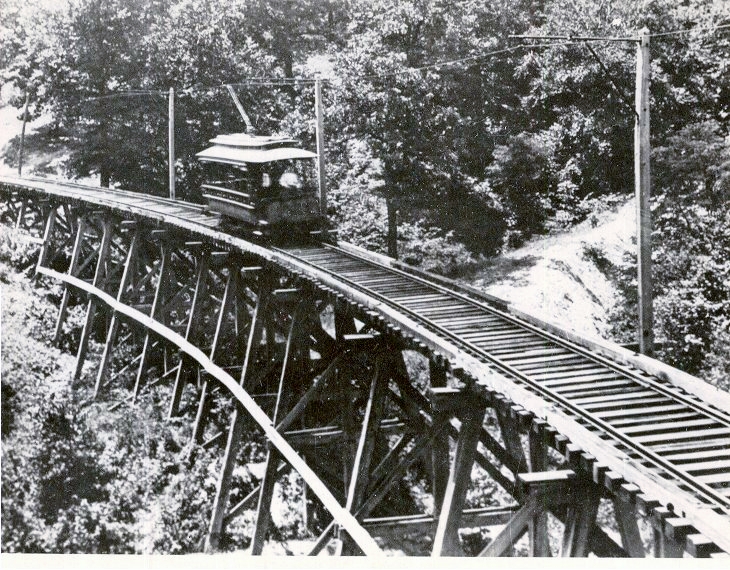
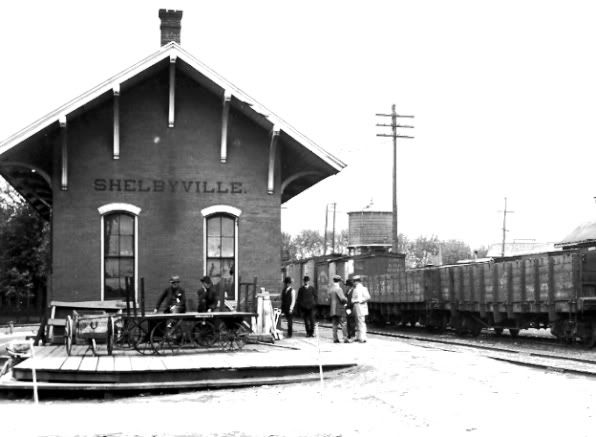
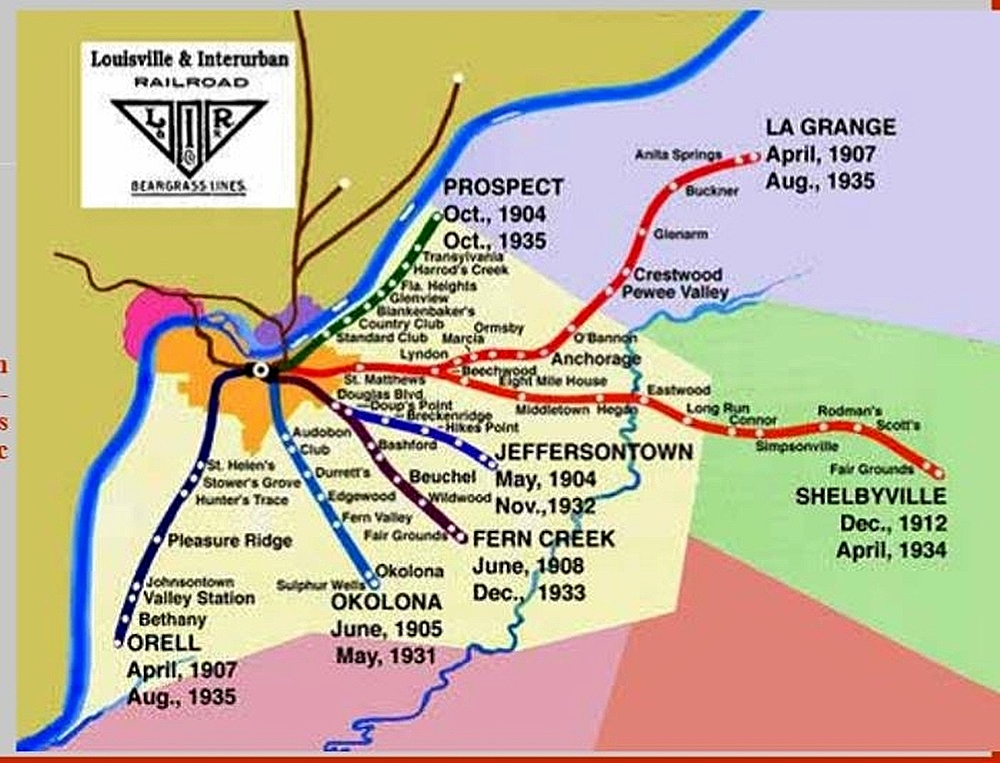
Before highways and SUVs, Shelbyville residents had a surprisingly modern way to get to Louisville: the electric interurban railway. Starting around 1910, this trolley-style train connected Shelbyville, Simpsonville, Middletown, and Louisville, running on electricity from overhead wires. It was part of a much larger regional transit system that gave small-town Kentuckians a reliable, fast, and affordable way to travel into the city long before the automobile took over. By 1912, the line reached all the way into downtown Shelbyville, making it easier than ever for locals to commute to work, shop on Louisville's 4th Street, or ship milk and produce to market. With multiple departures each day, you could hop on in Shelbyville, ride through the rolling countryside, and arrive in downtown Louisville in under an hour. Compared to the dusty, wagon-rutted roads of the time, the interurban was smooth, quiet, and comfortable—especially in winter when the cars were heated. Each stop along the way—Simpsonville, Middletown, and others—had small depots or waiting shelters. For many, the interurban was part of daily life. Farmers used it to ship goods, students rode it to school, and families took it for weekend outings. It wasn't just about getting from point A to B—it was a social space, a mobile connection between towns that helped shape the growth of Shelby County and its neighbors. But by the late 1920s, cars were everywhere and newly paved roads made driving more convenient. As ridership declined, the Shelbyville interurban made its final run in 1934. The tracks were pulled up soon after, and the electric lines were dismantled. Today, there are few physical reminders of the line, like the Scotts station substation that still stands but for over two decades, that electric railway made it possible for everyday folks to travel from small-town Kentucky to the big city with ease—no gas tank, no highway, and no stress required.