
History
Cold Blocks, Warm Summers: Kentucky’s Ice Harvesting Days
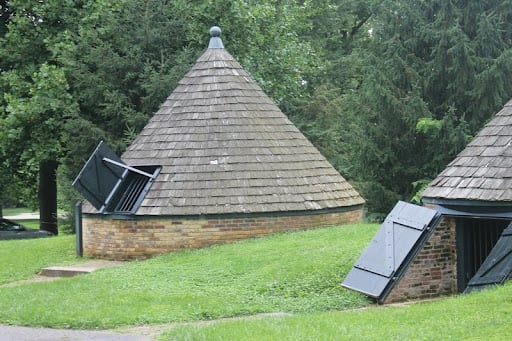
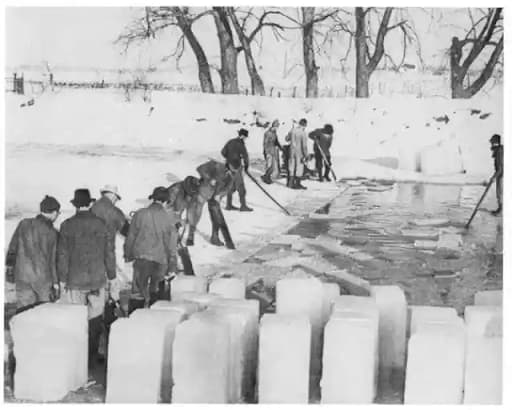
The crack of a saw blade across ice once marked the start of winter work in Kentucky. Farmers waited for ponds to freeze deep enough to walk on, then cut neat rectangles of ice that would carry families through months of heat. Before electric refrigerators, Kentuckians depended on frozen ponds as their refrigerators. Workers slid heavy blocks onto sleds, dragged them from the water, and packed them into storage. Ice was a luxury in July but a necessity too—without it, milk spoiled and meat could not be kept. Across the state, landowners built ice houses. These were thick walled, earth sheltered, or stone lined buildings, often hidden in groves or near creeks. One striking example still stands at Undulata Farm in Shelbyville—a round brick ice house with a cone shaped roof. Nearby, a pond provided the winter harvest. Together, the pond and the ice house formed a system designed to stretch one season’s cold across an entire year. Inside these houses, blocks of ice were stacked and covered with sawdust or straw. A well packed ice house could keep its cargo frozen into late summer, sometimes even into the next fall. Every cube of ice represented hard winter labor, guarded through the heat like treasure. When you walk by a quiet farm pond in Kentucky today, it may look like simple scenery. But a century ago that frozen water was survival, a hidden economy of cold that linked January frost to August supper tables.
Sources
- Sources:
- New York State Parks Blog – Ice Harvesting on the Hudson River
- Watchung History – Ice Harvesting Images
- National Park Service – Undulata Farm Historic Listing
- Wikipedia – Ice Trade and Ice Houses