
People
From Simpsonville to World Changer- Whitney M Young Jr
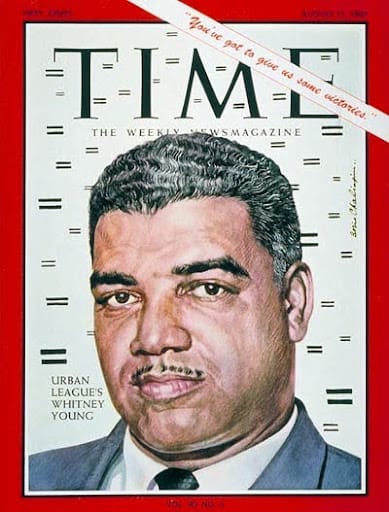
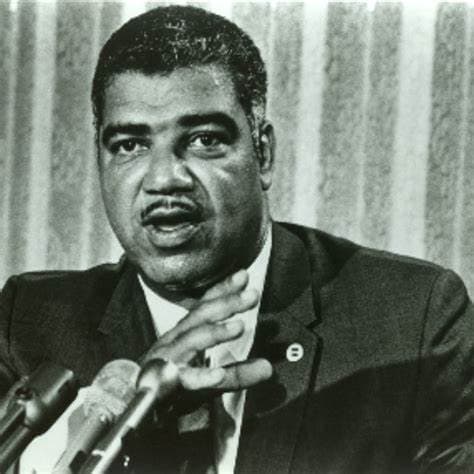
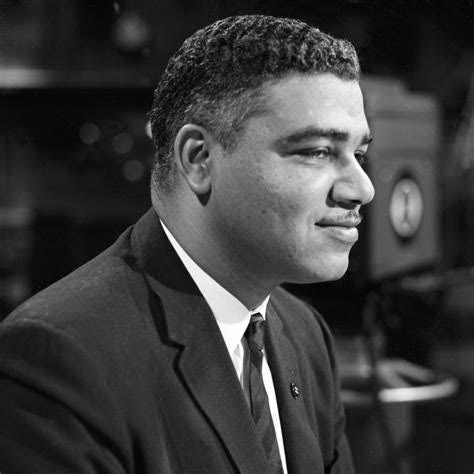
Whitney Moore Young Jr was born on the campus of the Lincoln Institute in Lincoln Ridge in Shelby County in nineteen twenty one. The campus sat just outside Simpsonville on farmland that had been turned into a boarding school for Black students after Kentucky forced Berea College to stop teaching Black and white students together. His father Whitney Young Senior taught at the school and eventually became its first Black president. His mother Laura Ray Young also taught there and later became the first Black woman postmaster in Kentucky. So from day one Whitney Jr’s world was school bells lesson plans and constant reminders that education was the way out and the way up. (nkaa.uky.edu) Lincoln Institute was not some small country school. It opened in nineteen twelve with about eighty five students and grew into a serious college prep high school for Black teenagers from all over Kentucky and even from places like Honduras and Cuba. The white founders wanted it to focus on training workers in trades and house service. Under leaders like Doctor A Eugene Thomson and especially under Whitney Young Senior it quietly became something more. Students got solid academics plus vocational skills and strong expectations. Young Senior pushed his students to become professionals teachers and leaders. That was the air Whitney Jr breathed growing up. He later said that he never questioned whether he was supposed to achieve because excellence was the norm in his house. (nkaa.uky.edu) Whitney Jr attended the primary school at Lincoln Institute then enrolled in the high school there. He walked the same paths every day from his family home on campus to the classroom buildings and workshops. In nineteen thirty seven he graduated as valedictorian of his class. That early success at a Black boarding school in Shelby County gave him the confidence to leave home and keep going. From Lincoln he headed to Kentucky State College in Frankfort which is now Kentucky State University. There he earned a degree in social work became president of his senior class and joined Alpha Phi Alpha fraternity. (kysu.edu) World War Two pushed his life in a new direction. Young joined the Army in nineteen forty one and was assigned to an African American engineering unit under white southern officers. Tension in the unit was high. Young had a knack for reading people and calming situations. Within weeks he was promoted from private to first sergeant because he was the one man who could talk both groups down and keep the work moving. That experience convinced him where his real calling was. Instead of medicine or engineering he wanted to work in race relations and help Black people navigate and change the institutions that shaped their lives. (Wikipedia) After the war he earned a masters degree in social work from the University of Minnesota and found his way into the National Urban League. First he worked at the Saint Paul office then he took over the Omaha branch. In both cities he focused on something simple but powerful getting Black workers hired into jobs that had always been reserved for white workers. He would walk into boardrooms with data and a calm voice and make the case that hiring Black salespeople and managers was simply good business. That mix of moral push and practical argument became his trademark. (Biography) In nineteen sixty one at only forty years old Whitney Young Jr was chosen to lead the National Urban League. When he arrived the League was relatively small and cautious. In only a few years he multiplied the staff many times over and expanded the budget from a few hundred thousand dollars to many millions. Under his leadership the League went from quiet job placement work to aggressive advocacy for equal opportunity in housing education and employment. Young described the League as the social engineers of the civil rights movement. While others marched in the streets he spent his time in boardrooms and government offices trying to turn protest energy into actual policy and hiring decisions. (Wikipedia) He was one of the big six civil rights leaders who helped plan the March on Washington in nineteen sixty three. He stood alongside Martin Luther King Junior John Lewis Roy Wilkins and others as hundreds of thousands gathered in the capital. Behind the scenes he was also building relationships with Presidents John Kennedy Lyndon Johnson and later Richard Nixon. Johnson especially leaned on Young for advice as he shaped Great Society and War on Poverty programs. Young pushed a plan he called a domestic Marshall Plan a large scale investment in jobs housing and education in poor Black neighborhoods. Pieces of that vision made their way into federal legislation. In nineteen sixty nine President Johnson awarded him the Presidential Medal of Freedom for his work. (Wikipedia) Whitney Young Jr was not loved by everyone. Some younger and more militant activists viewed him as too close to the establishment. He took heat for working with corporations and for supporting the Vietnam policy longer than some of his peers. But even his critics often admitted that he got results. Under his watch thousands of Black workers were hired into factories offices and professional roles that had been closed to them. He launched programs like Street Academies to help young people who had dropped out of school and New Thrust which helped local Black leaders set priorities and push city governments for change. (Wikipedia) Through all of this his roots at Lincoln Institute in Shelby County never stopped mattering. The same campus where he had been born in that simple two story wood frame house would eventually carry his name. After Lincoln Institute closed in the nineteen sixties the site became the Whitney M Young Job Corps Center a federal training center for young people. The house he grew up in is now preserved as the Whitney Young birthplace and museum. When visitors walk that ground they see how a boy from a Black boarding school in rural Kentucky grew up to advise presidents and reshape national civil rights strategy. (National Park Service) Whitney Young Jr died suddenly in nineteen seventy one while attending a conference in Nigeria. He was only forty nine. His death cut short a career that still had plenty of runway left. Even so his imprint is everywhere. Urban League branches across the country still carry forward his focus on jobs and economic power. The American Institute of Architects gives a yearly Whitney Young award to honor architects who advance social justice in design. Schools scholarships and job programs in his name keep opening doors for new generations. And in Shelby County the old Lincoln Institute grounds quietly tell the story of a local kid who learned to lead there and then carried those lessons all the way to Washington. (Lincoln Foundation)
Sources
- Biography dot com profile of Whitney Young Jr
- Encyclopedia and research starters on Whitney Young Jr early life and education
- Kentucky State University page on Whitney Young Jr
- National Park Service listing for Whitney Young birthplace at Lincoln Institute
- Notable Kentucky African Americans entry on Lincoln Institute and Whitney Young family
- National Museum of African American History and Culture and John F Kennedy Library materials on Young and the Urban League